
The US is building barriers around drones and robots, but China has scale to get around them
Washington has tightened restrictions on foreign-made advanced robotic systems and imposed steep tariffs on imported drones and their components, citing national-security concerns. These drone tariffs take effect in September, with additional component tariffs following in 2027. The moves are part of a broader U.S. effort to restrict foreign technology in strategically important industries, expanding the FCC’s Covered List to include foreign-made drones and advanced robotic devices. This comes as Chinese manufacturers like AgiBot, Unitree, Galbot, UBTECH, and Leju Robotics have built commanding positions in both drones and humanoid robots, often competing at prices U.S. and European rivals struggle to match. The restrictions raise questions about where global robotics competition will move next.
The U.S. restrictions on foreign-made drones and robots, including tariffs effective September 2024, are unlikely to curb China's global dominance in robotics manufacturing. Chinese companies like Unitree and UBTECH hold 86% of global humanoid robot shipments in the first half of 2026, according to Counterpoint. This scale allows them to drive down costs by bringing more of the technology stack in-house and leveraging China's existing manufacturing base, a competitive edge that U.S. companies cannot easily sanction away. For Asia, this means Chinese robotics firms will likely intensify their focus on price-sensitive markets across Southeast Asia, Latin America, and the Middle East. These regions, facing labor shortages and demand for affordable automation, present significant expansion opportunities for companies like AgiBot and Leju Robotics. The U.S. approach may fragment the global market rather than create a clean split, with Chinese manufacturers continuing to innovate and expand their reach outside of the American market.
相關文章
6 則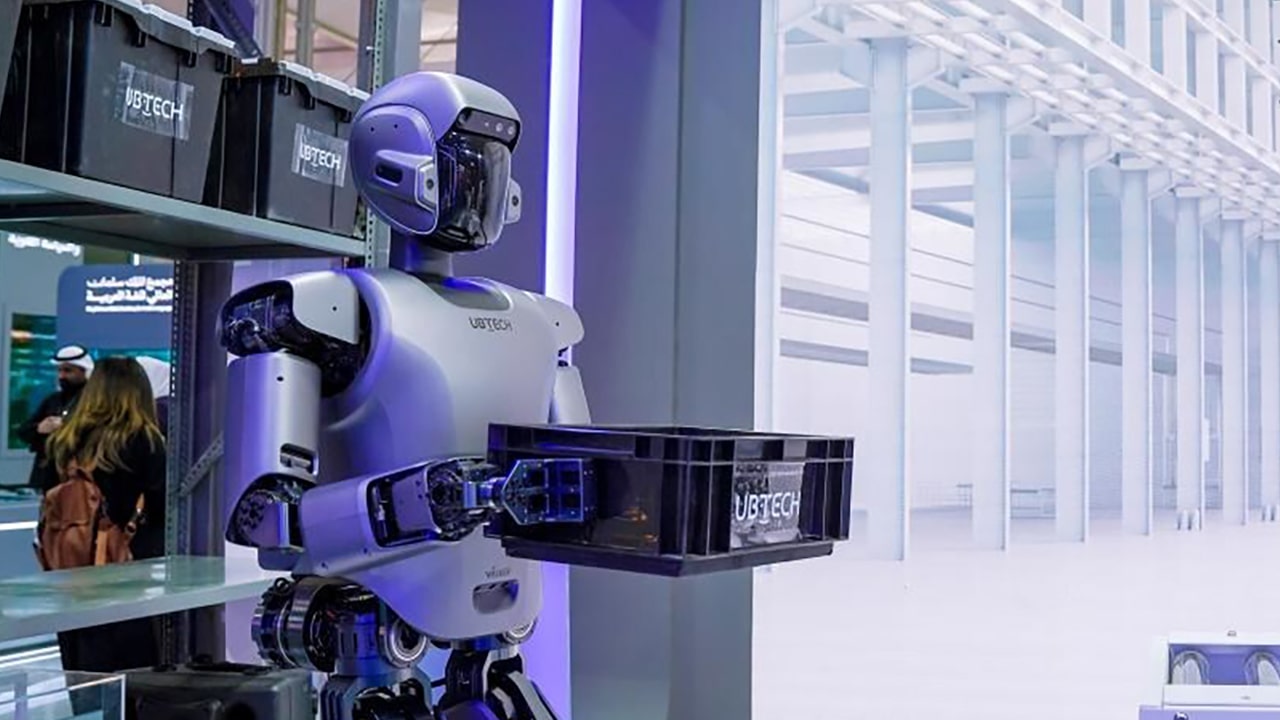
UBTech’s full-size humanoid robot revenue jumps 1,445% in H1 2026
Our past coverage highlighted UBTech's significant revenue jump in humanoid robots, a key player in this story.

新加坡推出逾200個人工智能課程,精選高級工具免費使用
華為發佈最新技術,提升AI能力,力求打破中國對Nvidia的依賴
寧德時代收緊供應商審查,推動電動車電池碳中和

中國火箭熱潮將海南變成太空樞紐。發射能否推動更廣泛的增長?
