
The outcome of future warfare will not be decided only by weapons, but indigenous technology will play a major role in it. India needs to develop its own technological capabilities from chips to drones and defence technology and the government is actively working in this direction while providing adequate funding.
India is prioritizing the development of indigenous technological capabilities to secure its future in warfare, according to J.D. Patil. He emphasizes that future conflicts will be decided not solely by weaponry, but by a nation's ability to innovate and produce its own technology. This includes a broad spectrum from semiconductor chips to drones and advanced defense systems. The Indian government is actively supporting this initiative, providing substantial funding to foster domestic innovation and reduce reliance on foreign technology. This strategic shift aims to move India up the value chain in critical technological sectors.
India's push for indigenous technology, spanning from chips to drones and defense, signals a significant strategic shift with profound implications for Asia's tech ecosystem. This initiative reflects a broader trend among major Asian economies to bolster technological sovereignty, driven by geopolitical considerations and the desire to control critical supply chains. For the semiconductor industry, it means a potential surge in domestic demand and investment in fabrication and design capabilities within India, challenging established regional players and fostering new partnerships.
Furthermore, this focus on defense and dual-use technologies will likely spur innovation in AI, advanced materials, and robotics, creating new opportunities for startups and established tech firms within India. It also highlights a growing recognition across Asia that national security and economic prosperity are increasingly intertwined with technological independence. This move could reshape regional tech collaborations and competition, as countries weigh the benefits of global integration against the imperatives of self-reliance in critical sectors.
相關文章
6 則Deputy Minister Nomalungelo Gina: 14th BRICS Science, Technology and Innovation Ministerial Meeting
India's push for technological sovereignty echoes discussions at the 14th BRICS Science, Technology and Innovation Ministerial Meeting.
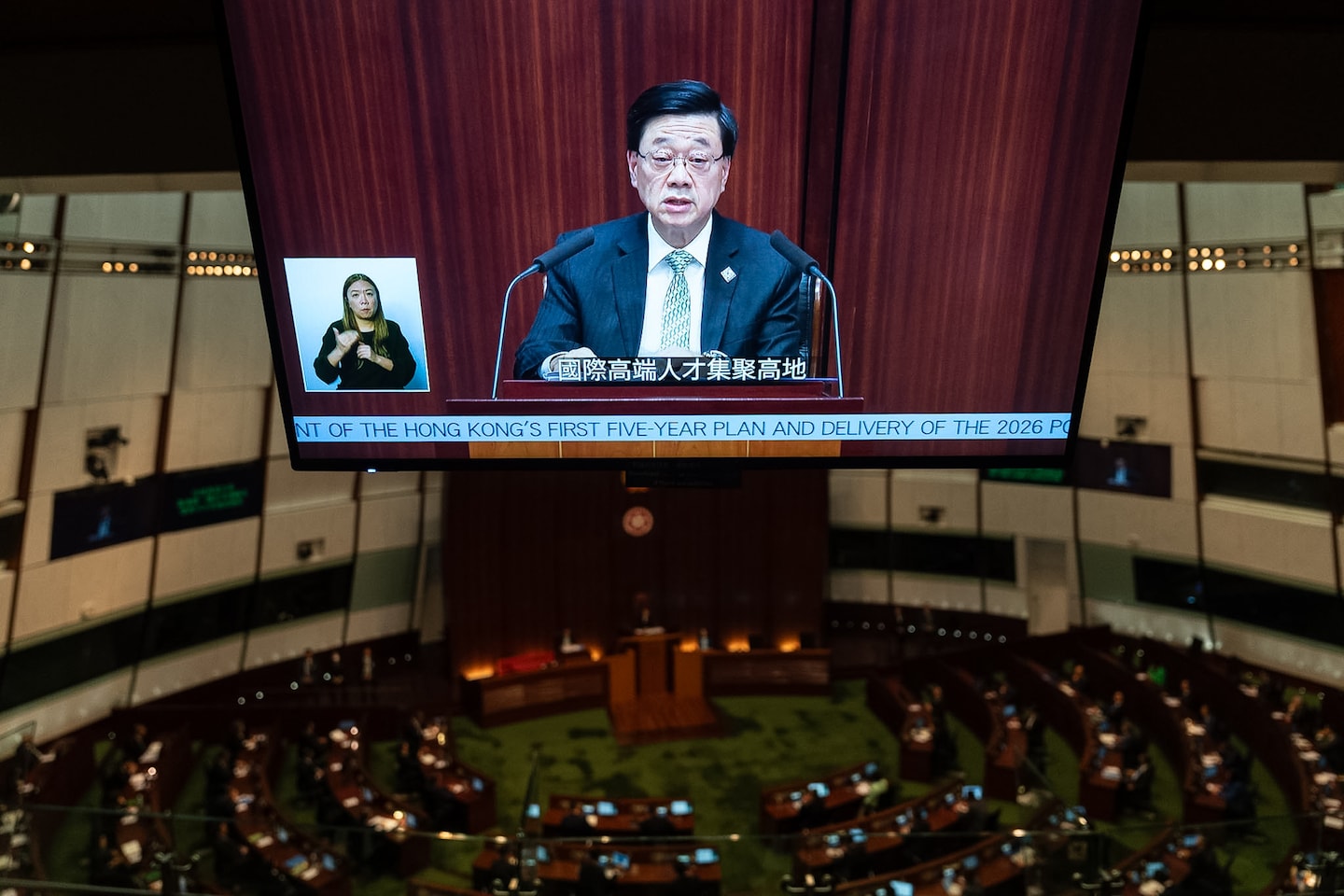
香港首個五年計劃押注AI技能:從幼稚園到勞動人口

SEON擴展詐騙檢查功能,應對AI令偽造身份更易產生

寧德時代收緊供應商審查,推動電動車電池碳中和

網絡威脅日益增加,Beyer 和 Obernolte 牽頭兩黨合作規管人工智能
