Stickers on Buttons? AI Cheating Puts High School Exams on Alert
Baewha Girls' High School announced stringent new proctoring rules on November 22nd and 23rd for upcoming final exams, requiring students to surrender electronic devices, cover clothing buttons, and submit to inspections. This follows a string of cases involving artificial intelligence and smart-device cheating in Korean high schools, raising concerns among education officials about grade fairness and potential complaints.
Baewha Girls' High School issued an urgent notice on November 22nd, a day before third-year students were to sit for final exams, detailing significantly tightened proctoring measures. The school stated its intention to manage these and all regular school exams with the same rigor as the College Scholastic Ability Test (CSAT), Korea's national college entrance exam. The new rules mandate students to hand in all electronic devices, leave bags and personal items in hallways, attach stickers over clothing buttons, and submit to inspections of eyewear and attire during each exam period. Additionally, staff would monitor and log communication signals. A follow-up notice to parents on November 23rd confirmed these guidelines would also apply to first- and second-year final exams, scheduled for five days starting December 7th.
These heightened measures come as education officials, on November 24th, acknowledged a growing alert regarding high school grade management due to a series of cheating incidents involving artificial intelligence and smart devices. Schools are concerned that insufficient proctoring could lead to numerous complaints from students and parents. Unlike the CSAT, where proctors are protected from liability for incidents, individual schools remain exposed to such grievances, prompting this proactive tightening of rules.
A high school teacher named Park in Gyeonggi Province noted that their school has been alerting parents about smart glasses since last year. This follows a recent cheating scandal dubbed 'Taxcat,' where a test-taker was caught using smart glasses and an AI chatbot during an exam. Park expressed doubt about the feasibility of strict proctoring with existing teaching staff, contrasting it with the CSAT, which deploys extra personnel. Three cases of smart glasses cheating have been identified in high school exams this year, fueling distrust in in-school proctoring amid fears that less detectable methods, such as miniature cameras or earphones, might go unnoticed.
The relatively light penalties for students caught using smart glasses, three days of special education, four hours of community service, and five days of suspension, have intensified parental anger. A parent surnamed A in Seoul's Gangnam district advocated for cheating to be penalized comparably to school violence, proposing measures like disposable gowns, similar to practices in some universities. The parent also suggested expanding written-response or oral exams beyond paper tests, noting that a single question can alter a student's grade band at the top of the class.
The integrity of school grades is particularly sensitive due to their significant weight in college admissions. For the 2027 admissions cycle, early admissions accounted for over 80% of enrollment for the first time. This intense competition means students are highly sensitive to grading fairness, and suspicion is reportedly growing among classmates, with students showing sharp increases in mock-exam scores facing increased scrutiny or mockery. This environment raises concerns about a potential surge in objections after midterm and final exam results are released, further pressuring schools to ensure the perceived fairness of their grading systems.
分享這篇文章
相關文章
6 則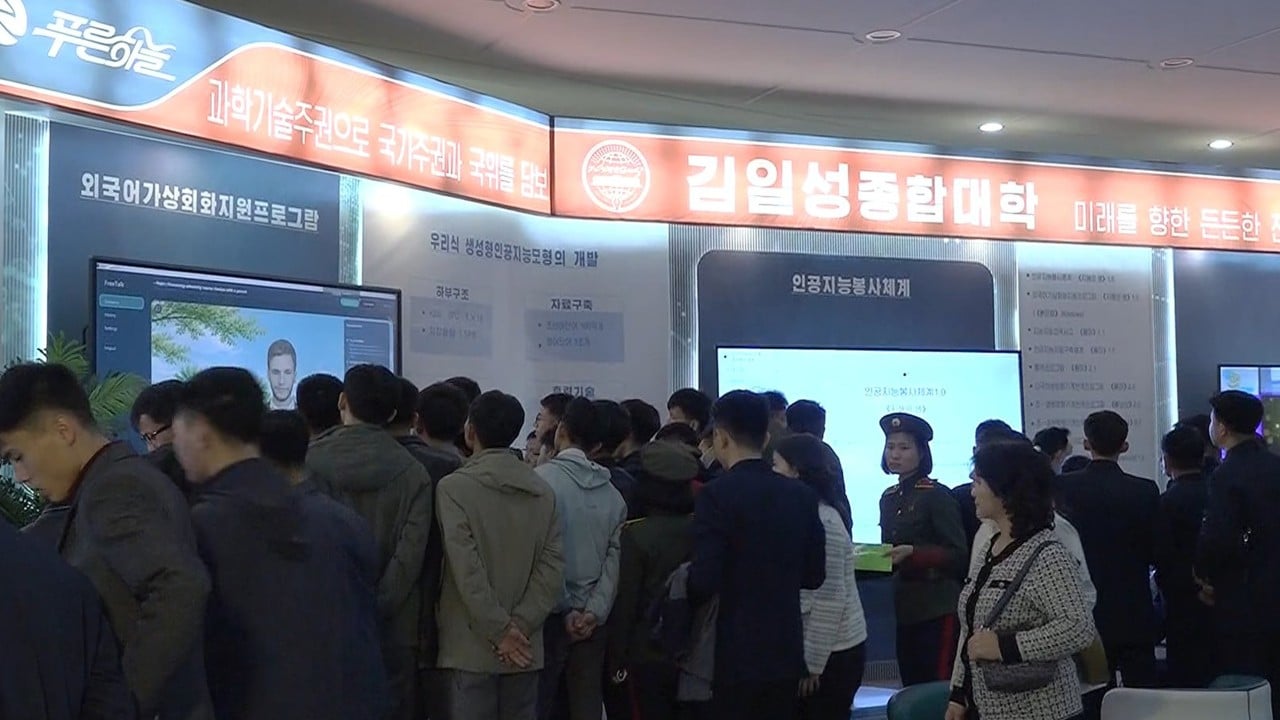
北韓發佈首個AI聊天機械人,但不會回答「不文明問題」
North Korea's AI chatbot launch shows the region's broader engagement with AI, even as ethical questions arise.

OpenWay 夥拍 Visa 拓展亞太區數碼支付

OceanBase 2026 年海外收入翻倍,推出全新 AI 平台

華僑銀行委任中國區行政總裁洪永祥領導全球企業銀行業務
中國 Z.ai 「積極」採用循環變壓器方法改進 AI 模型