Southeast Asia is luxury testbed for China’s big new export drive
Chinese luxury brands are increasingly targeting Southeast Asia as a crucial testbed for their international expansion. Facing persistent weakness in domestic demand, Chinese companies are leveraging decades of manufacturing expertise and a growing, trend-conscious consumer base in the region. Countries like Indonesia, Vietnam, the Philippines, Singapore, and Thailand are projected to see significant increases in their ultra-rich populations, making them attractive markets. This strategic pivot is driven by cultural proximity, robust tourist flows, and a large youthful population, offering a new frontier for Chinese premium goods.
This trend signifies a notable shift in Asia’s economic landscape, as Chinese brands, traditionally known for manufacturing, now aim to establish themselves as designers and purveyors of luxury goods. This move challenges the established Western dominance in the luxury sector and highlights China’s evolving industrial capabilities, moving up the value chain from production to brand creation. The focus on Southeast Asia is strategic, capitalizing on its burgeoning middle class, increasing affluence, and cultural affinities, which provide a fertile ground for market entry and brand building.
For Asia’s tech ecosystem, this shift underscores the importance of digital platforms and e-commerce in market penetration. Chinese brands are adept at leveraging social media, particularly TikTok, to cultivate international followings and drive sales, demonstrating a modern, agile approach to global expansion. This digital-first strategy, combined with localized services, offers a blueprint for other Asian brands looking to scale internationally, emphasizing the power of digital engagement in shaping consumer preferences and market success.
分享這篇文章
相關文章
6 則
Why is Xiaomi doubling down on in-house chips amid a profit slump?
We previously explored how Chinese brands like Xiaomi are investing in in-house capabilities to move up the value chain.

Thunes 與 UnionPay 將中國每日支付限額提高至 10,000 美元

DCS DeCard 於香港推出企業卡,服務香港商戶

中美需聯手對抗另一強大敵人:人工智能
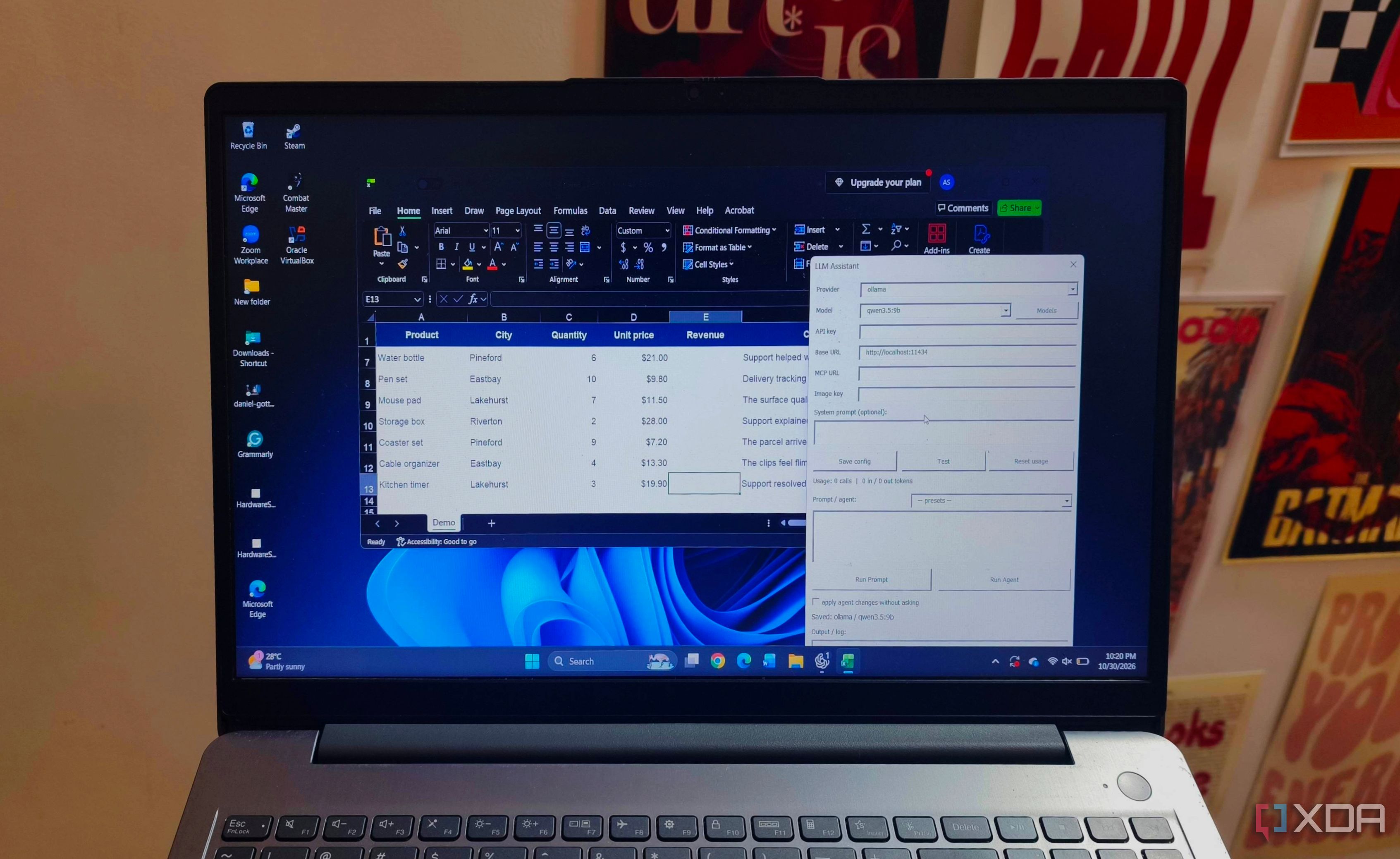
我用本地大型語言模型取代了 Excel 的 Copilot,試算表工作終於有私隱了