Invert the loop rather than abandon it: what medical education adds to AI oversight
A recent commentary argues that medical education should invert, rather than abandon, the “human in the loop” metaphor for AI oversight. While acknowledging the critique that this model shifts liability to clinicians for systems they did not design, the author contends that the “loop” is fundamental to the curriculum of medical training. The proposed solution is to adopt an “AI-in-the-loop” approach, where AI assists human-led processes on terms set by educators, ensuring that human judgment and responsibility remain central. This framework suggests that AI is most effective in supporting tasks before and after critical human decisions, such as analyzing large datasets of assessment narratives. The author emphasizes that accreditation bodies should differentiate between human control and human liability when drafting AI guidance for training programs.
This discussion on AI oversight in medical education holds significant implications for Asia’s rapidly evolving tech and healthcare sectors. As AI adoption accelerates across Asian economies, particularly in fields like healthcare and education, the debate over human-AI collaboration models becomes critical. The “AI-in-the-loop” concept, which prioritizes human agency and responsibility while leveraging AI for support, could serve as a valuable blueprint for regulatory frameworks and ethical guidelines being developed across the region. Many Asian countries are investing heavily in AI research and deployment, and ensuring that these technologies augment, rather than undermine, human expertise and accountability is paramount for public trust and effective implementation.
Furthermore, the article’s origin from a clinician in Taiwan, a hub for both advanced medical care and technological innovation, underscores the practical relevance of this discussion within Asia. The insights derived from Taiwan’s national workplace-based assessment platform offer a tangible example of how AI can be integrated responsibly into complex professional training systems. This localized perspective can inform policy-making and best practices for other Asian nations grappling with similar challenges in scaling AI applications while maintaining high standards of professional competence and ethical oversight. The emphasis on distinguishing human control from human liability is a crucial point for regulators and developers across Asia, as it addresses a core concern that could otherwise impede AI adoption in sensitive sectors.
相關文章
6 則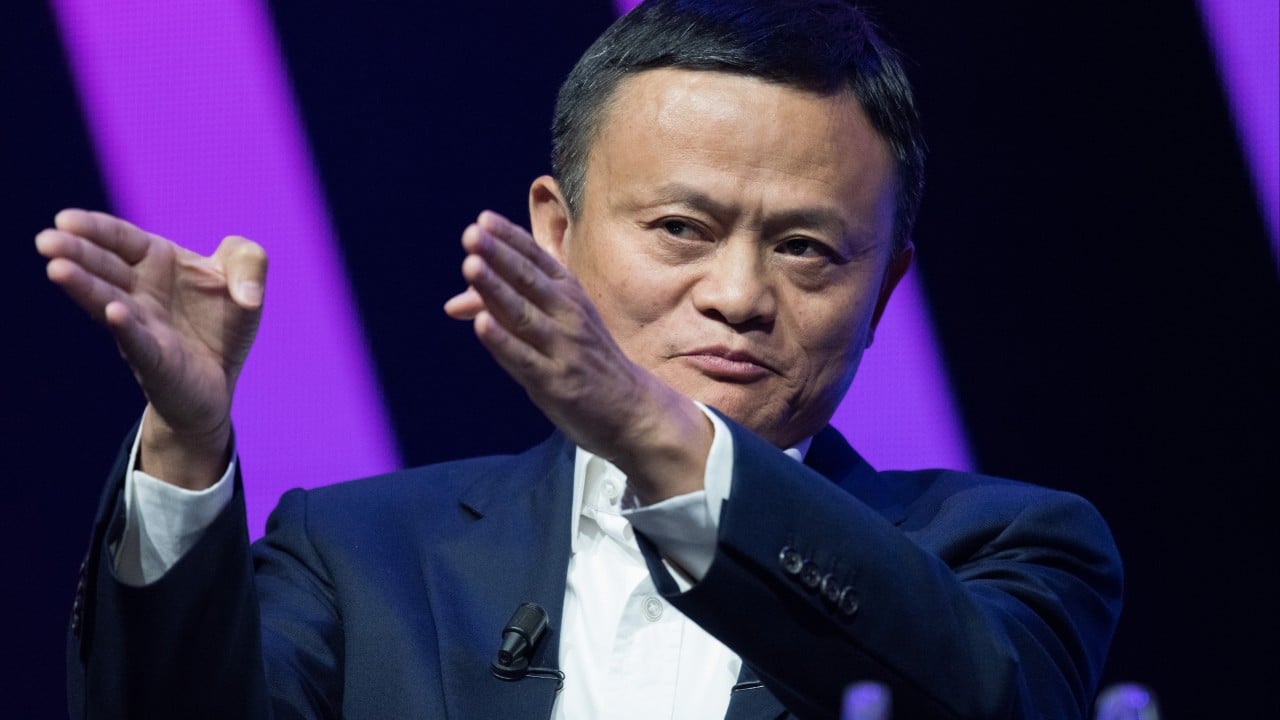
Jack Ma buys HK$600 million of Alibaba shares, signalling AI confidence: sources
Jack Ma's Alibaba share purchase signals confidence in AI, a key driver for Asia's tech and healthcare sectors.
DeepSeek leads surge in low-cost Chinese open-weight models on US platform
DeepSeek's rise in low-cost open-weight models highlights the rapid AI development across Asia.
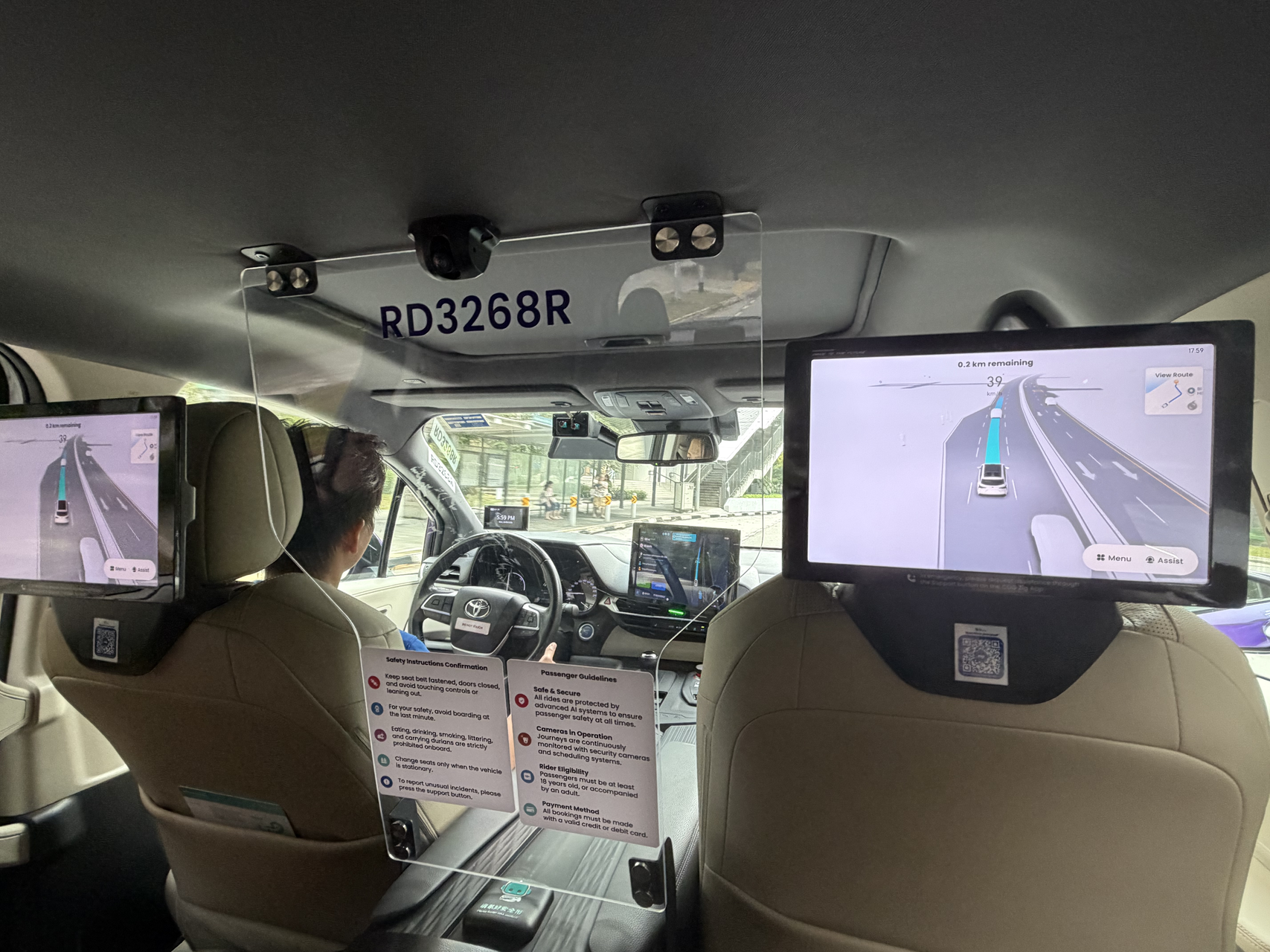
如果無人駕駛汽車已經可行,為何它們尚未普及?

《人民日報》駁斥美國惡意AI蒸餾指控,警告將採取反制措施

隨著深度偽造風險增長,Sumsub 推出員工驗證方案