
Inside Z.ai’s turnaround after falling behind in enterprise AI
Chinese AI firm Z.ai achieved a significant turnaround by shifting its focus to coding models, culminating in the release of GLM 5.3. This model tied Moonshot AI’s Kimi K3 for top open-source performance and rivaled proprietary models like Claude Fable 5 and GPT-5.6 Sol. The strategic pivot followed a challenging period in 2025 when DeepSeek R1 disrupted Z.ai’s enterprise customization business, causing nearly 30% of its customers to shift. Z.ai’s subsequent emphasis on a unified model for reasoning, coding, and agentic data, starting with GLM 4.5, proved successful. This led to a surge in API revenue, with Z.ai’s annual recurring revenue (ARR) reaching USD 1 billion by July 2026, nearly doubling in two months.
Z.ai’s resurgence in China’s competitive AI landscape is a direct result of its disciplined focus on coding capabilities, a strategic shift that transformed its market position and financial outlook. The company, initially rooted in Tsinghua University’s academic culture, faced an existential threat in 2025 from DeepSeek R1, which undercut its customized enterprise model business. This pressure forced Z.ai to consolidate its model development into a single, powerful architecture focused on reasoning, coding, and agentic data, rather than maintaining separate vertical models. The success of GLM 4.5 and subsequent versions, particularly GLM 5.2 and 5.3, demonstrates the value of this targeted approach. GLM 5.3’s performance, tying Kimi K3 and competing with global flagships, highlights the technical prowess that emerged from this strategic pivot. The company’s move from labor-intensive enterprise deployments to a scalable model-as-a-service (MaaS) business, driven by strong coding performance, is the key takeaway for Asian tech professionals. Z.ai’s ARR growing from USD 500-600 million to USD 1 billion in just two months by July 2026 reflects the market’s rapid adoption of its API offerings. This shift also points to the evolving demands within China’s foundation model market, where general-purpose chatbots are giving way to models capable of complex, productivity-enhancing tasks. The company’s ability to attract and retain top talent, largely from Tsinghua University, further solidifies its competitive advantage in a talent-scarce industry.
相關文章
6 則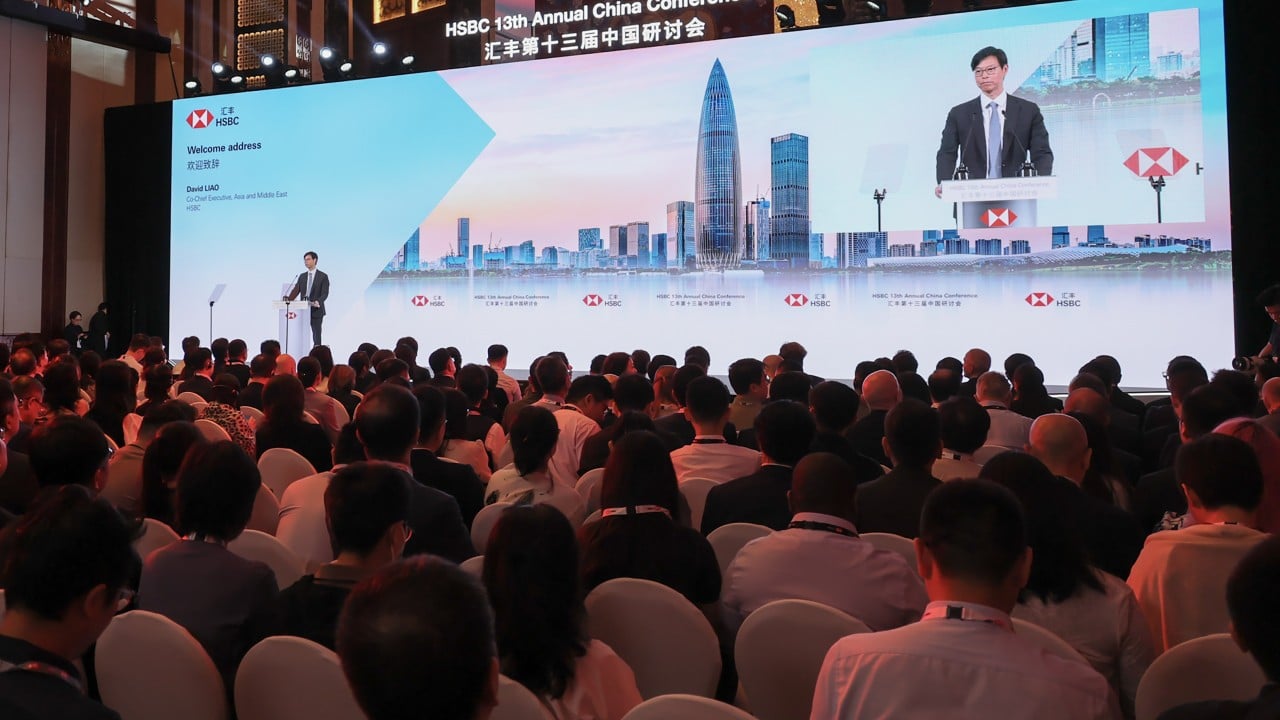
Global investors descend on China’s Shenzhen to ride wave of AI and robotics opportunities
Shenzhen is a hub for AI and robotics, reflecting the broader investment landscape Z.ai navigates in China.

《人民日報》駁斥美國惡意AI蒸餾指控,警告將採取反制措施

Databricks 將在新加坡投資逾 3.5 億美元,員工人數翻倍
字節跳動的AI短劇應用程式超越中國Netflix競爭對手總和

Personetics 推出適用於客戶關係經理的 AI 銀行控制台
