Defense minister’s loose remarks fuel controversy
South Korean Defense Minister Ahn Gyu-back has sparked controversy by publicly disclosing sensitive information regarding the progress of joint South Korea-U.S. evaluations for the transfer of wartime operational control (Opcon). During the Shangri-La Dialogue in Singapore, Ahn stated that 94 percent of the conditions for Opcon transfer had been met, a figure previously considered classified. Critics argue that revealing such a precise numerical assessment could compromise alliance security by offering insights into military capabilities to adversaries like North Korea. The Ministry of National Defense defended the remarks, claiming they aimed to inform the public without disclosing specific classified details. This incident highlights ongoing tensions surrounding information sharing and trust within the South Korea-U.S. alliance, especially given previous instances of strained communication.
This incident underscores the delicate balance Asian nations, particularly South Korea, must strike between public transparency and national security, especially concerning military alliances. The disclosure of a specific percentage regarding Opcon transfer conditions, despite the ministry's defense, risks eroding trust with key allies like the U.S. and potentially providing strategic insights to regional adversaries. For Asia's tech and defense sectors, this situation emphasizes the critical need for robust cybersecurity and information governance protocols, as even seemingly innocuous numerical disclosures can have significant geopolitical ramifications. The controversy also reflects the broader trend of increased public scrutiny on defense matters, driven by a more informed populace and the rapid dissemination of information through digital channels. This necessitates a more sophisticated communication strategy from government and military bodies, balancing the public's right to know with the imperative to safeguard sensitive intelligence. The reliance on AI tools for translation, as noted in the article, further highlights the intersection of technology and national security, where accuracy and contextual understanding are paramount to avoid unintended diplomatic or strategic missteps. The incident serves as a cautionary tale for other Asian nations navigating complex alliances and security challenges in an increasingly transparent and interconnected world.
相關文章
6 則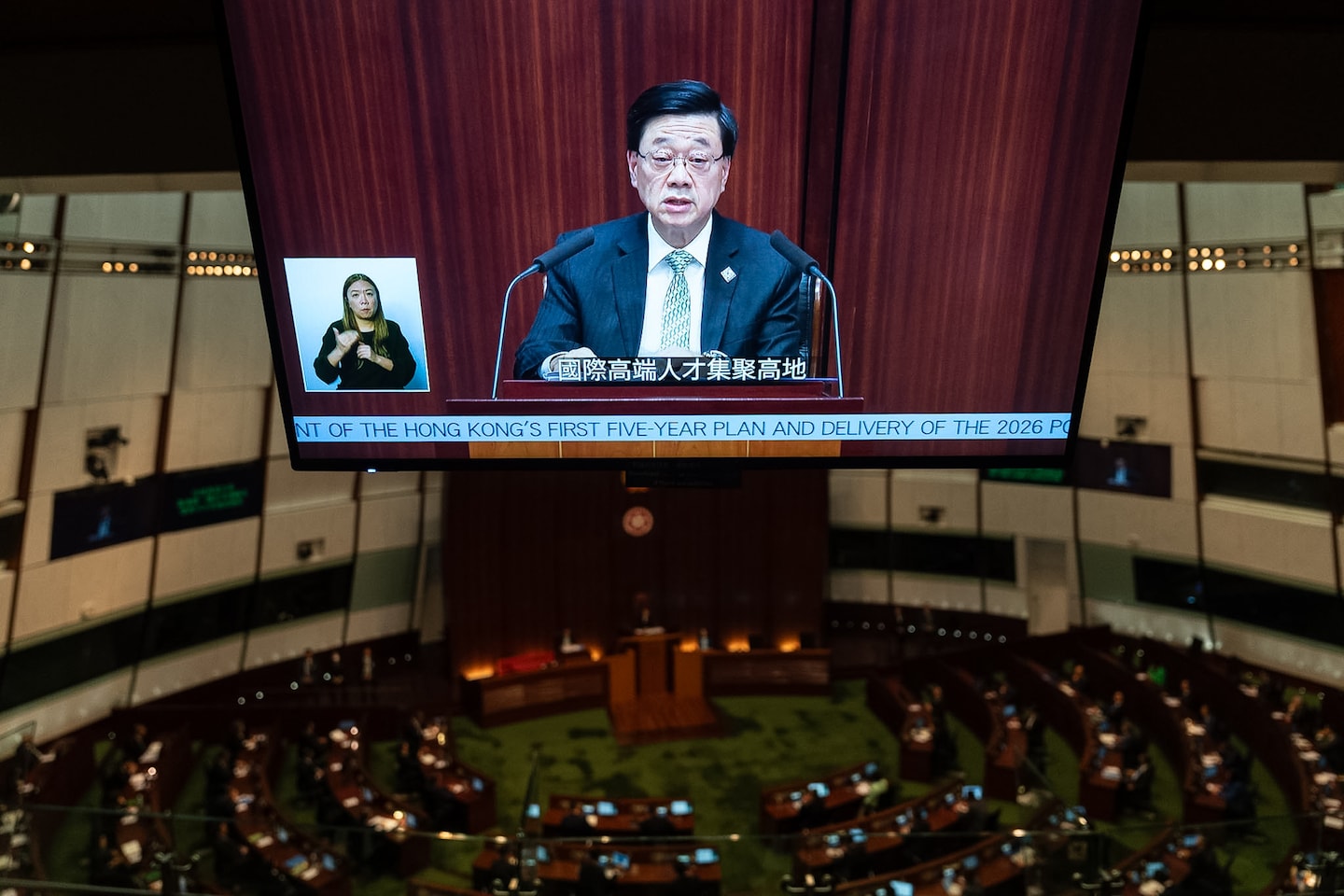
香港首個五年計劃押注AI技能:從幼稚園到勞動人口
SEON擴展詐騙檢查功能,應對AI令偽造身份更易產生
寧德時代收緊供應商審查,推動電動車電池碳中和

Beyer, Obernolte Lead Bipartisan Initiative to Regulate AI Amid Rising Cyber Threats

Aquino urges creation of Filipino-made AI, warns of risks from foreign models