
China Is Setting America’s Tolerance for AI Risk
American AI companies, including Anthropic and OpenAI, have integrated competitor progress into their AI safety policies. Anthropic's commitment to delaying advanced models for safety testing is conditional on maintaining a significant lead over rivals, while OpenAI's framework allows for safeguard adjustments if competitors reach dangerous capability thresholds without comparable protection.
Leading US artificial intelligence developers are framing some of their safety commitments around their competitive position relative to international counterparts. Anthropic's policy, for instance, allows the company to delay a highly capable model to ensure catastrophic risks are contained, but this obligation ends if it no longer believes it holds a significant competitive lead. This suggests that the perceived pace of rival AI development could directly influence when American companies deem it acceptable to release a new system.
OpenAI's April 2025 Preparedness Framework also reflects this dynamic. It permits adjustments to existing safeguards if another developer, regardless of location, achieves specified dangerous capabilities without comparable protections. While the framework stipulates that overall risk of severe harm must not meaningfully increase, and OpenAI's protections must remain stronger, these provisions give foreign capabilities an explicit role in American companies' safety decisions.
This approach means that if a breakthrough by a competitor, such as a Chinese firm, is perceived, American developers might release models they previously considered too dangerous. This dynamic effectively allows competitor progress to influence the risks Americans face from AI systems. However, reliably assessing these capabilities is crucial, as shown by the US government's Center for AI Standards and Innovation, which found DeepSeek V4 Pro's performance closer to an eight-month-older American model, despite the Chinese developer's published claims of parity with more recent US systems.
分享這篇文章
相關文章
6 則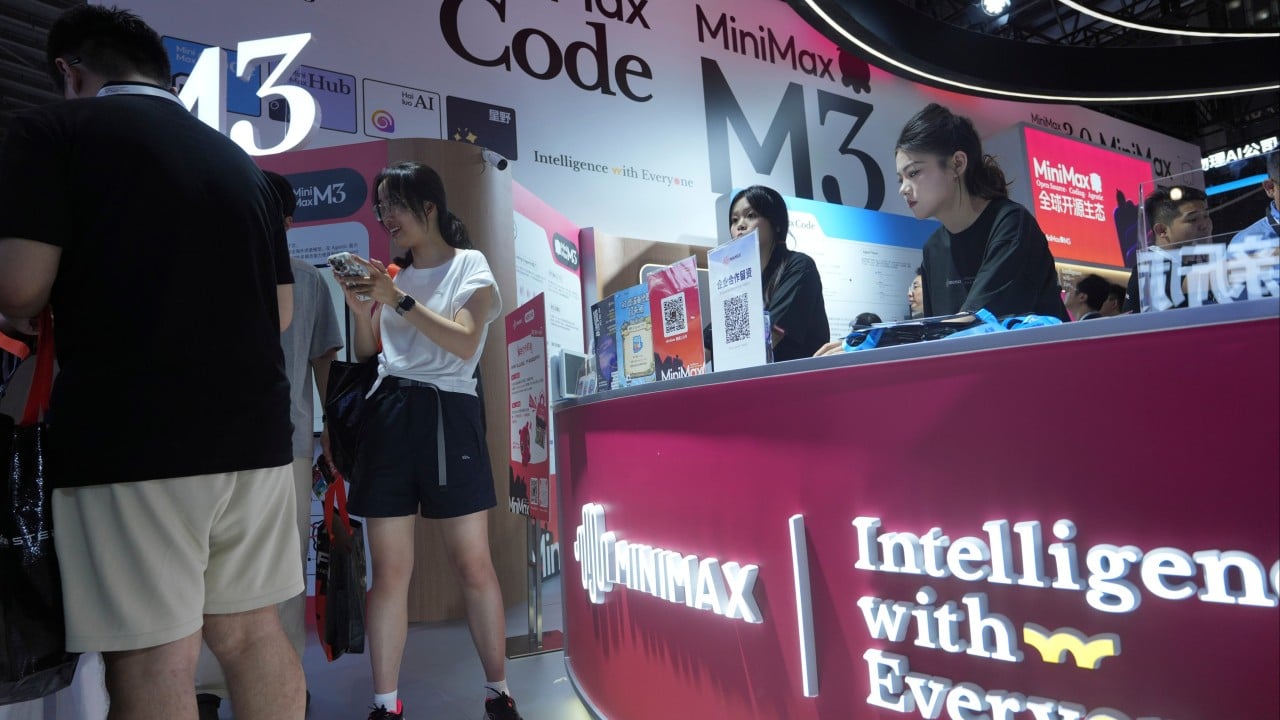
中國官媒:DeepSeek、MiniMax 在中國新出口規定生效數天後獲開源許可
China's new export rules for AI models, and how companies are responding, directly impacts US competitive strategy.
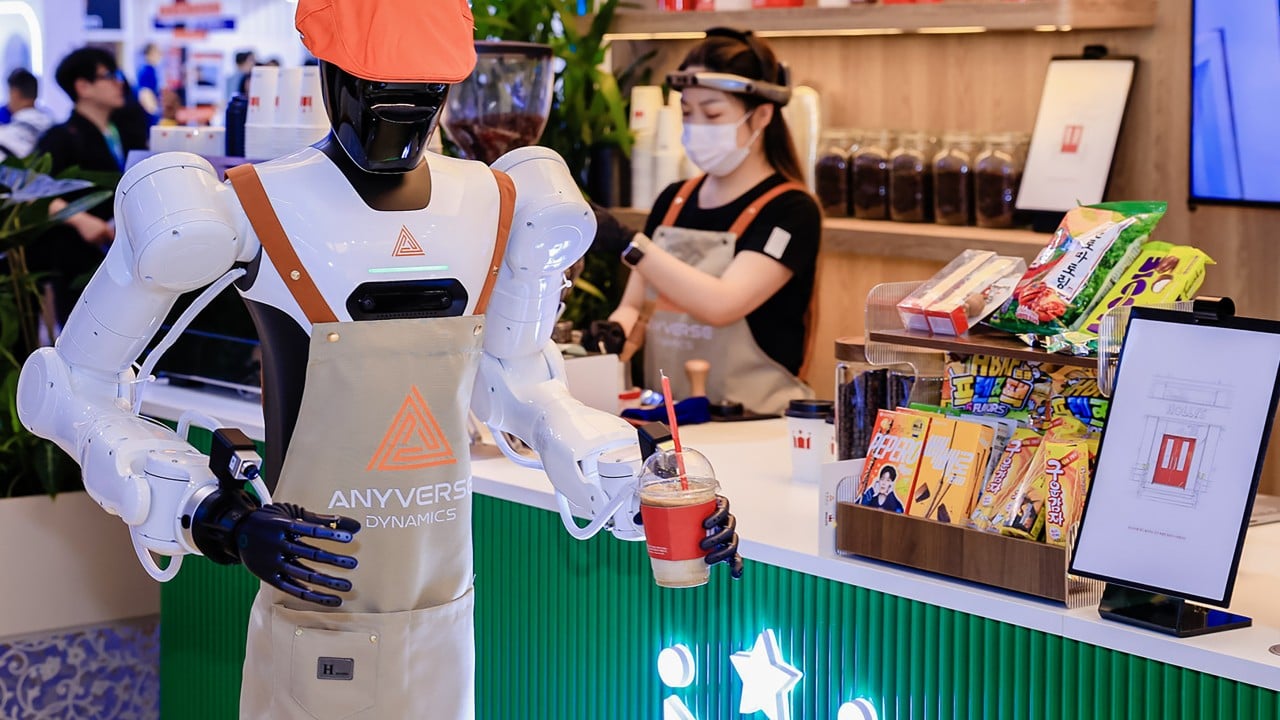
中國人形機械人赴韓國尋求工作,首爾押注實體人工智能
The perceived pace of rival AI development, including in areas like humanoid robots, influences US safety commitments.

TerraPay 夥拍 Kinexys 減少跨境支付錯誤

Visa 與新加坡旅遊局合作,推動高價值旅遊
花旗研究:新加坡高淨值客戶資產增長6%至150萬美元
