
As AI safety concerns mount, three pioneers make the case for staying open
Three of the world's leading AI experts—Geoffrey Hinton, Fei-Fei Li, and Andrew Ng—recently convened at the Ai4 conference to discuss the escalating concerns surrounding AI safety. Their debate centered on critical issues such as the necessity and scope of regulation, the implications of open-source access to AI technologies, and how the United States can maintain its competitive edge as China rapidly advances in the Asian AI landscape. The discussion highlighted differing perspectives on balancing innovation with responsible development, touching on the potential benefits and risks of various approaches to AI governance. This high-level exchange offers valuable insights into the ongoing global dialogue about shaping the future of artificial intelligence.
The debate among AI pioneers Geoffrey Hinton, Fei-Fei Li, and Andrew Ng on AI safety, regulation, and open-source access carries significant implications for Asia's tech ecosystem. As China continues its rapid advancements in AI, the discussion around how the US can compete directly impacts the strategic decisions of Asian nations regarding AI development, investment, and international partnerships. The call for an 'open' approach, as advocated by some experts, could foster greater collaboration and innovation across Asia, potentially accelerating the development of new applications and solutions tailored to regional needs. Conversely, concerns about safety and the push for regulation might lead to more stringent domestic policies in Asian countries, influencing market entry for foreign AI firms and shaping local industry standards.
Furthermore, the emphasis on open-source access could democratize AI development in Asia, empowering smaller startups and research institutions to contribute to the global AI landscape without needing massive proprietary datasets or computational resources. This could level the playing field, fostering a more diverse and competitive AI market across the continent. However, the balance between openness and control will be crucial, as Asian governments weigh the economic benefits of rapid innovation against potential national security risks and ethical considerations. The outcomes of these global debates will undoubtedly influence the regulatory frameworks and investment strategies adopted by key players in Asia, shaping the region's trajectory in the global AI race.
相關文章
6 則
Korea's AI ethics principles lack binding force, specificity
Korea's struggle with AI ethics principles highlights the broader regional challenge of AI regulation discussed here.
Meet Dai Zheng, the space veteran betting on China’s reusable rocket revolution
Dai Zheng's focus on China's reusable rocket tech shows the nation's rapid AI advancements mentioned in the article.
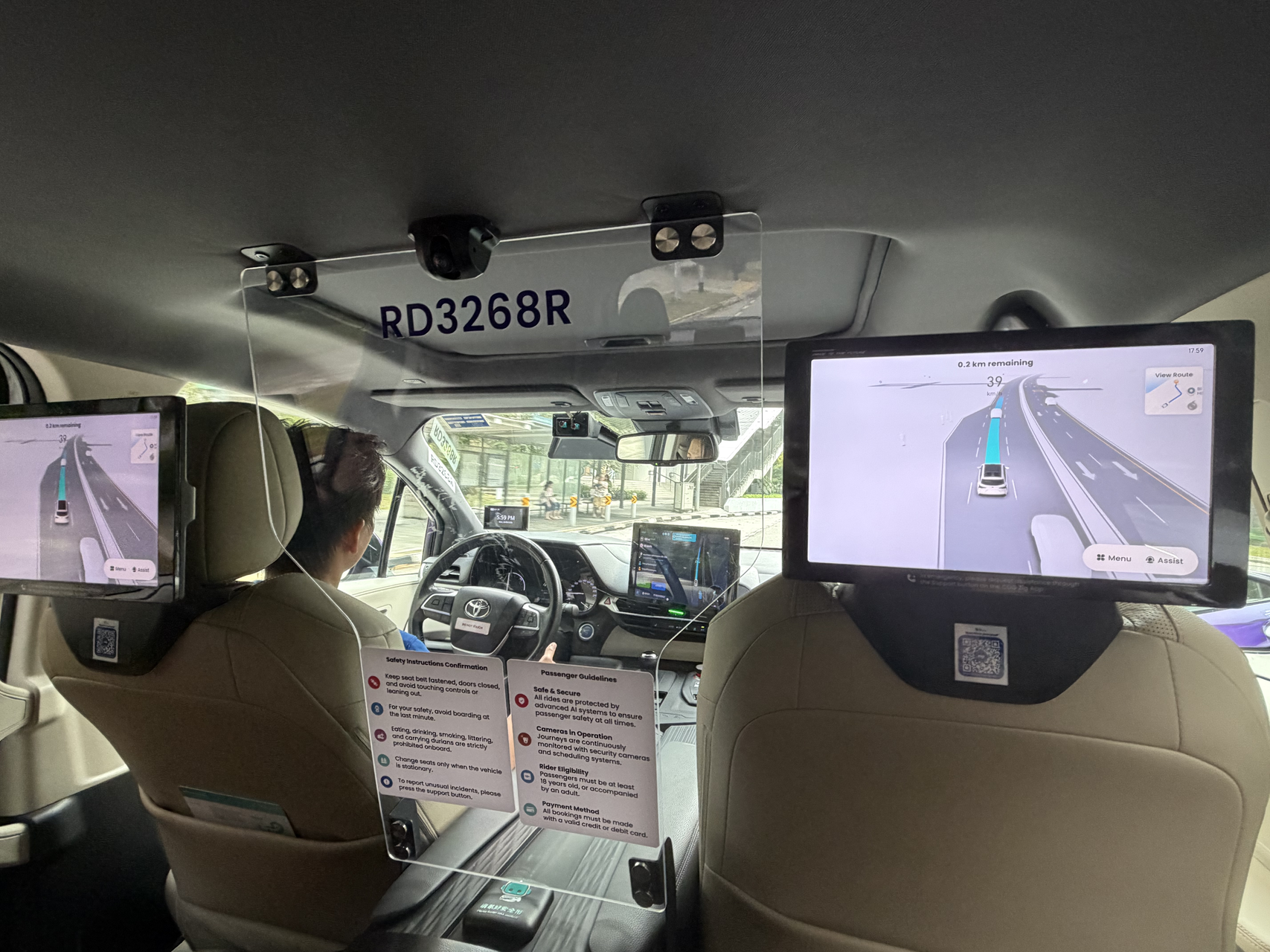
如果無人駕駛汽車已經可行,為何它們尚未普及?

隨著深度偽造風險增長,Sumsub 推出員工驗證方案

字節跳動的AI短劇應用程式超越中國Netflix競爭對手總和
