U.S. memory chip demands complicate Korea investment plans
The United States is pressuring South Korean memory chip giants Samsung Electronics and SK hynix to increase their investment in American production facilities. These demands are creating significant complications for Korea's existing investment strategies within the semiconductor sector. The situation is escalating trade and security tensions between the two allied nations, as South Korea navigates its own industrial policy alongside U.S. geopolitical and economic objectives. This pressure could force a re-evaluation of long-term capital expenditure plans for these critical technology companies, potentially impacting global supply chains and regional economic stability. The delicate balance between national security interests and corporate investment autonomy is at the forefront of this diplomatic challenge.
The U.S. push for Samsung and SK hynix to expand memory chip production on American soil carries significant implications for Asia's tech ecosystem. This move directly challenges South Korea's strategic ambitions to bolster its domestic semiconductor industry and maintain its global leadership in advanced manufacturing. For Asia, it signals a potential shift in the global semiconductor supply chain, with a greater emphasis on localized production in key markets like the U.S., which could dilute the concentration of high-tech manufacturing in East Asia. This geopolitical pressure could force Korean firms to divert capital and resources from planned domestic or regional expansions, impacting job creation and technological development within South Korea and potentially other Asian nations vying for semiconductor investment.
Furthermore, these demands highlight the increasing weaponization of technology and trade in international relations. For Asian economies, this trend underscores the imperative for greater self-sufficiency and diversification in critical technology sectors, while also navigating complex alliances. The balancing act for South Korean companies involves satisfying a crucial export market and security partner (the U.S.) while protecting their national economic interests and maintaining competitiveness against rivals. This dynamic will likely influence future investment decisions across Asia, as countries assess the risks of over-reliance on single markets or the potential for similar pressures to emerge in other high-tech industries.
相关文章
6 则
Divergent results for Apple suppliers highlight memory price squeeze ahead of new iPhone
Our earlier report highlighted the memory price squeeze affecting Apple suppliers, a key factor in chip production decisions.
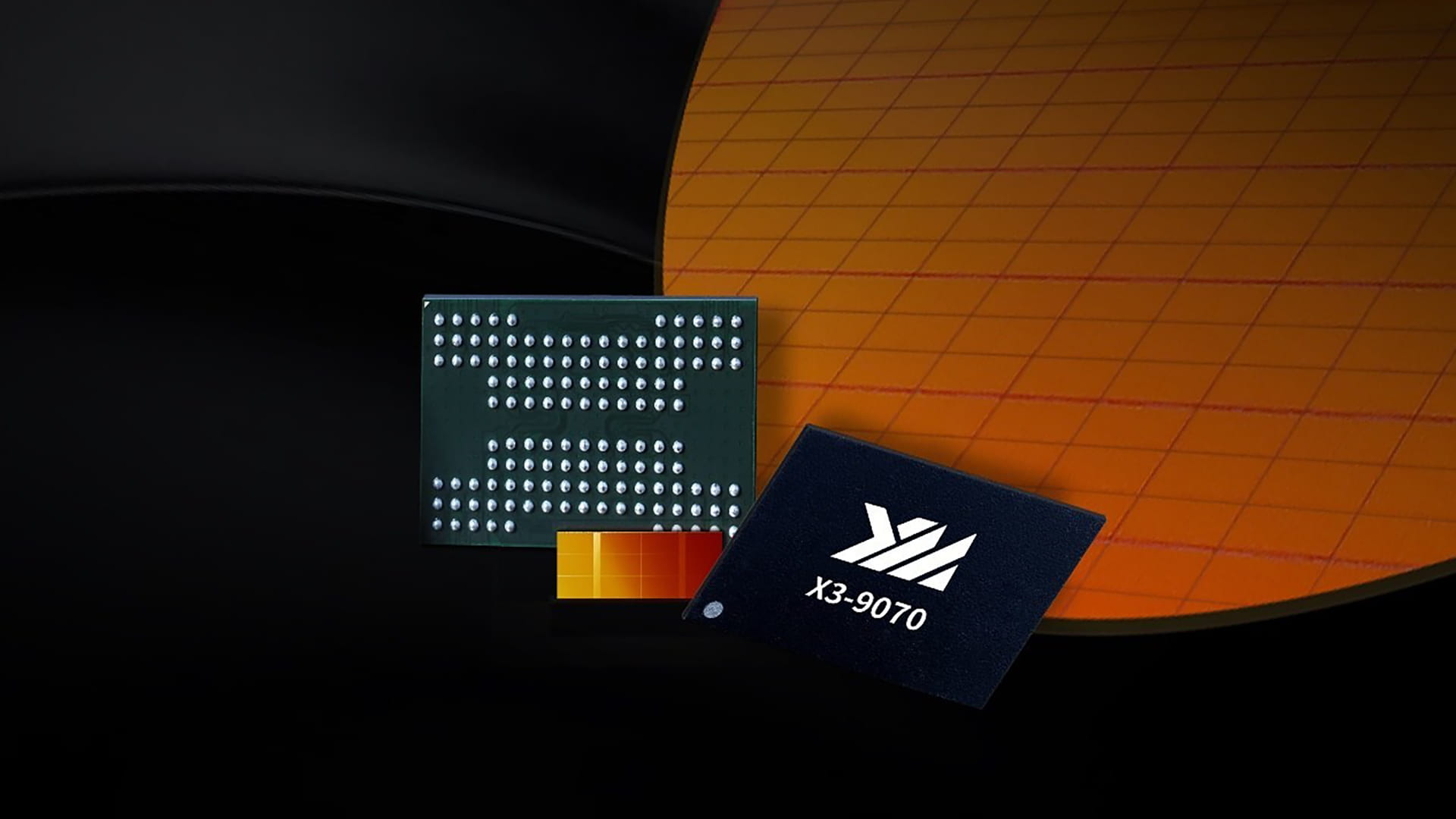
YMTC parent seeks USD 4.9 billion Shanghai IPO on AI memory boom
We previously covered YMTC's parent seeking a major Shanghai IPO, driven by the AI memory boom and market shifts.

中国火箭热潮将海南变成太空枢纽。发射能否推动更广泛的增长?

Anthropic 将 Claude 聊天和 Cowork 合并到单一界面

Threads 新功能让播客推广节目并触达听众