
The outcome of future warfare will not be decided only by weapons, but indigenous technology will play a major role in it. India needs to develop its own technological capabilities from chips to drones and defence technology and the government is actively working in this direction while providing adequate funding.
India is prioritizing the development of indigenous technological capabilities to secure its future in warfare, according to J.D. Patil. He emphasizes that future conflicts will be decided not solely by weaponry, but by a nation's ability to innovate and produce its own technology. This includes a broad spectrum from semiconductor chips to drones and advanced defense systems. The Indian government is actively supporting this initiative, providing substantial funding to foster domestic innovation and reduce reliance on foreign technology. This strategic shift aims to move India up the value chain in critical technological sectors.
India's push for indigenous technology, spanning from chips to drones and defense, signals a significant strategic shift with profound implications for Asia's tech ecosystem. This initiative reflects a broader trend among major Asian economies to bolster technological sovereignty, driven by geopolitical considerations and the desire to control critical supply chains. For the semiconductor industry, it means a potential surge in domestic demand and investment in fabrication and design capabilities within India, challenging established regional players and fostering new partnerships.
Furthermore, this focus on defense and dual-use technologies will likely spur innovation in AI, advanced materials, and robotics, creating new opportunities for startups and established tech firms within India. It also highlights a growing recognition across Asia that national security and economic prosperity are increasingly intertwined with technological independence. This move could reshape regional tech collaborations and competition, as countries weigh the benefits of global integration against the imperatives of self-reliance in critical sectors.
分享这篇文章
相关文章
6 则Deputy Minister Nomalungelo Gina: 14th BRICS Science, Technology and Innovation Ministerial Meeting
India's push for technological sovereignty echoes discussions at the 14th BRICS Science, Technology and Innovation Ministerial Meeting.

香港IPO热潮是否已触礁?抑或年底前仍有望迎来上市潮?
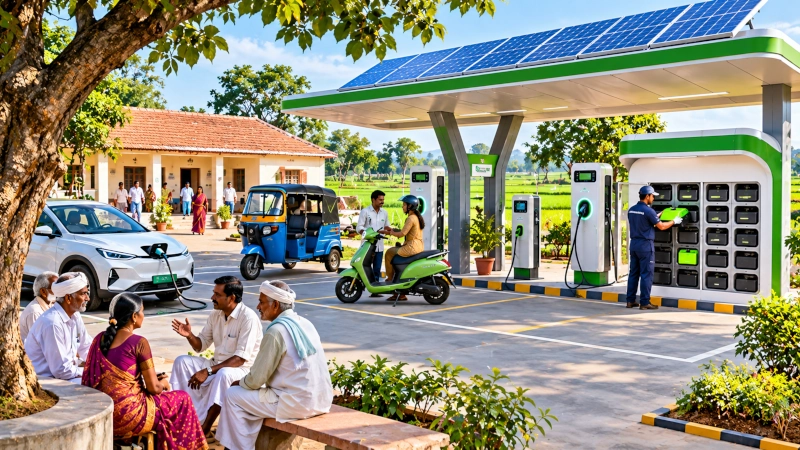
印度计划在乡村委员会土地上设立电动汽车充电和换电站,以扩展农村电动出行

优惠:Apple、Oppo 和 Samsung 旗舰智能手机降价发售

Bosch Home Comfort 瞄准印度两位数空调市场份额
