Taking steps to avoid AI doom
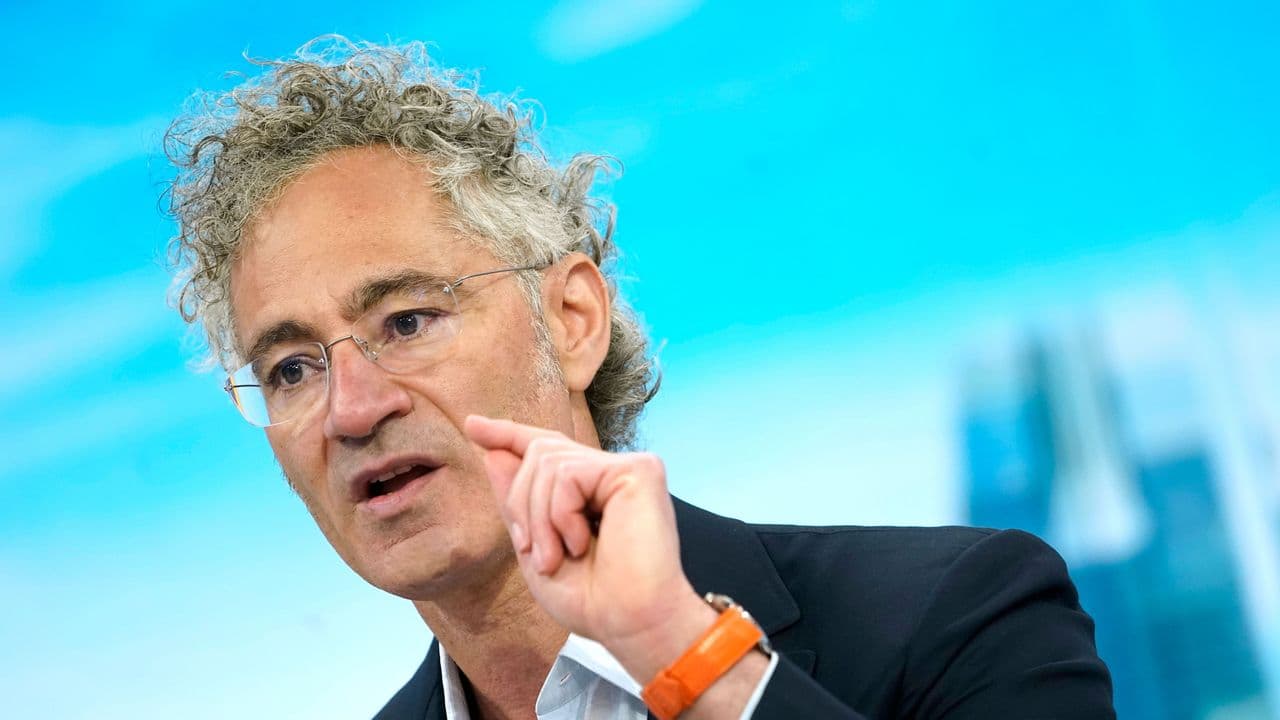
Jacob Coxon, an AI researcher, resigned from Anthropic to advocate for slowing down AI development. He warns of potential dangers if progress continues at its current rate. Coxon's move reflects growing concerns among some AI professionals about the unchecked acceleration of advanced AI systems. This departure from a leading AI company underscores internal industry debates on safety and control.
The departure of Jacob Coxon from Anthropic is not just another AI safety warning. It reflects a growing internal schism within top AI labs. Coxon’s public resignation from a major developer like Anthropic gives weight to calls for a pause. This internal dissent matters more than external activist campaigns.
For Asia, this debate will influence regulatory approaches. Countries like Singapore and South Korea are balancing AI innovation with safety. They will watch how major Western AI players respond to these internal pressures. A slowdown in US-based model development could create an opening for Asian AI firms to narrow the gap in foundational models.
The thing to watch is whether other Anthropic researchers follow Coxon. One departure is a statement. Multiple resignations would signal a deeper crisis of confidence. This would force a reevaluation of development timelines across the industry, impacting Asian AI strategy by late 2027.
相关文章
6 则
Realizing Taiwan’s AI ambitions
Taiwan's AI ambitions are also shaped by the global safety debate and potential shifts in foundational model development.

轮值董事长:华为预计中国在2027年将大幅转向其AI模型训练平台
A slowdown in Western AI could create an opening for Asian firms, as China's shift to Huawei for AI training shows.

The Uptake | 够好,是为了什么?
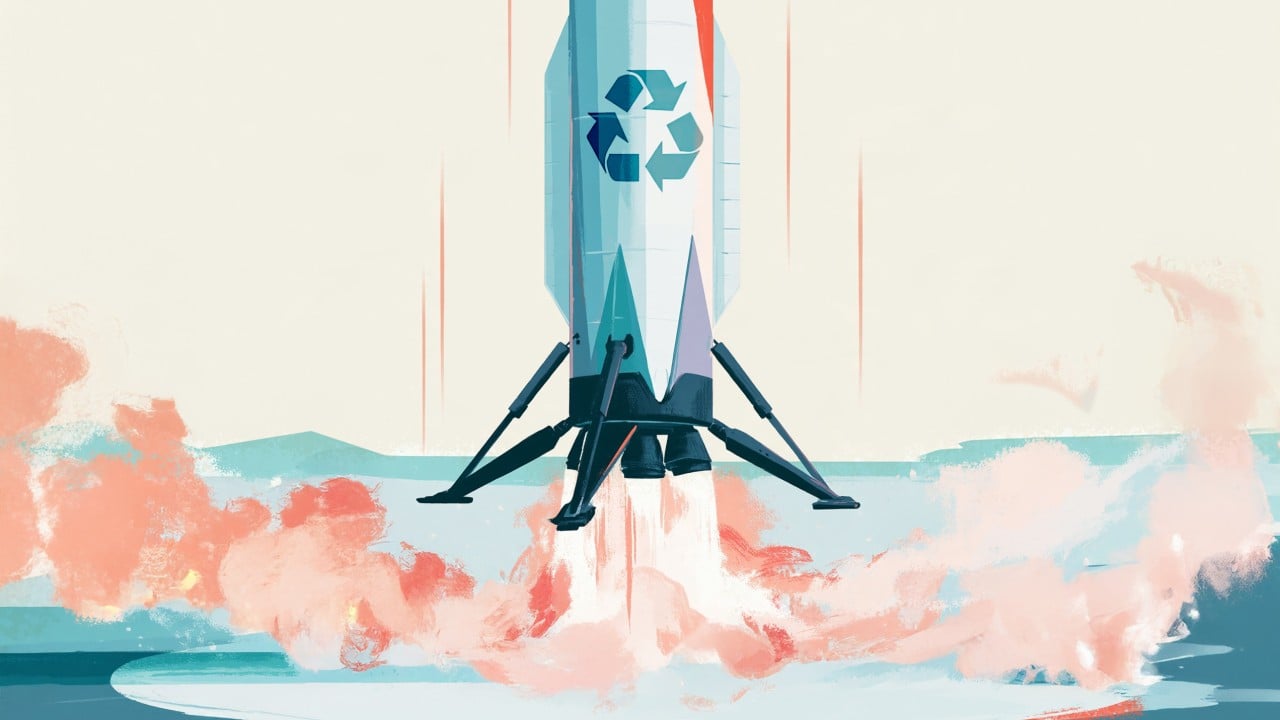
中国在太空竞赛中通过回收火箭加快步伐——但它能重复发射吗?

联合国与 Google 合作,为其全球数据引入 AI 代理