Lee Seok-yeon’s warning on dissent deserves attention
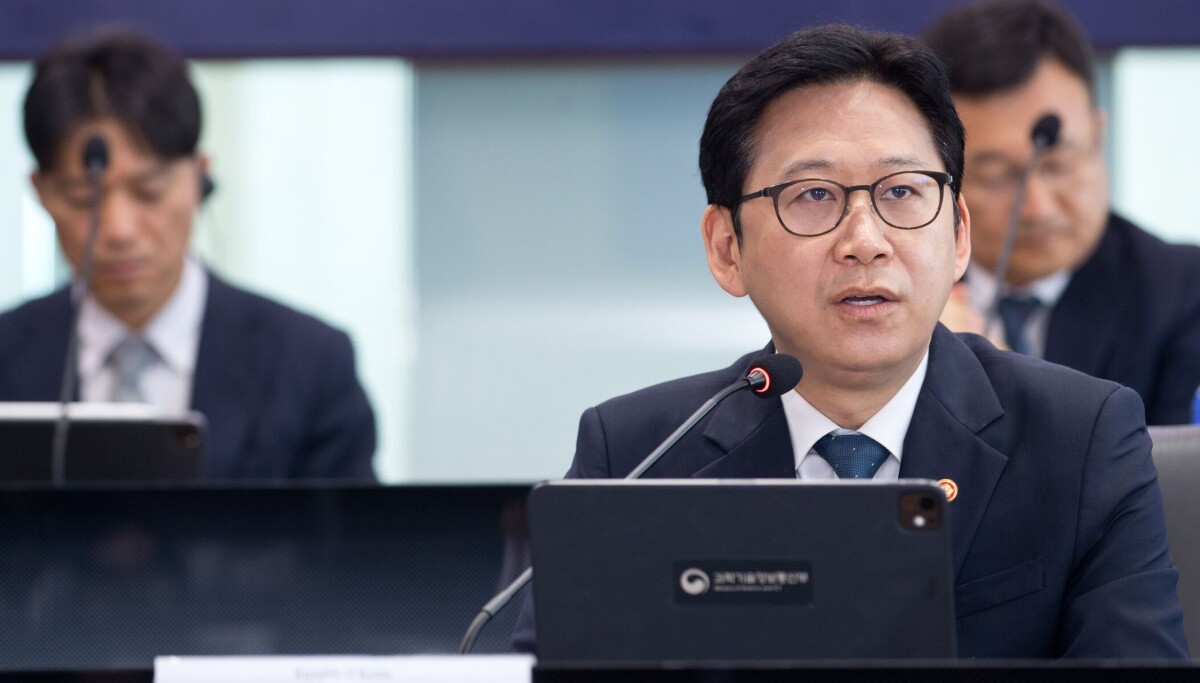
Lee Seok-yeon, chair of Korea’s National Integration Committee, recently voiced concerns about the lack of open debate and visible dissent within presidential Cabinet meetings. He warned President Lee Jae Myung that decisions made without diverse perspectives could lead to dangerous, irreversible situations. Lee Seok-yeon, a centrist conservative figure, highlighted that the current atmosphere discourages officials from challenging instructions, even when a president actively seeks differing opinions. His remarks come amidst growing concerns about President Lee’s direct questioning of officials and personal guidance of policy, potentially stifling critical feedback. This advice, from a respected figure who previously served under a former president, underscores the importance of fostering an environment where diverse viewpoints are not only tolerated but encouraged for sound policymaking.
While this article focuses on political dynamics in South Korea, the underlying theme of open debate and diverse perspectives holds significant implications for Asia's tech ecosystem. In rapidly evolving sectors like AI and startups, the ability to challenge assumptions and embrace dissenting views is crucial for innovation and risk mitigation. A top-down culture, where critical feedback is stifled, can lead to blind spots in policy, investment, and product development, potentially hindering a nation's competitiveness in the global tech landscape. For example, government policies impacting AI regulation or startup funding, if crafted without robust debate, might inadvertently create barriers to growth or fail to address emerging challenges effectively.
Furthermore, the article touches on the importance of national unity and moving beyond narrow political philosophies. This resonates within the tech sector, where cross-border collaboration, diverse talent pools, and inclusive innovation are increasingly vital. Countries that foster environments where diverse voices, including those from the private sector and civil society, can contribute to policy discussions are better positioned to adapt to technological shifts and build resilient, future-proof economies. The warning about an “irreversible situation” if public perspective diverges too sharply from the administration highlights the need for transparent and inclusive governance, which is essential for maintaining public trust and support for technological advancements.