Chinese AI chip start-up exits stealth mode, bets on 3D stacking to bypass US controls
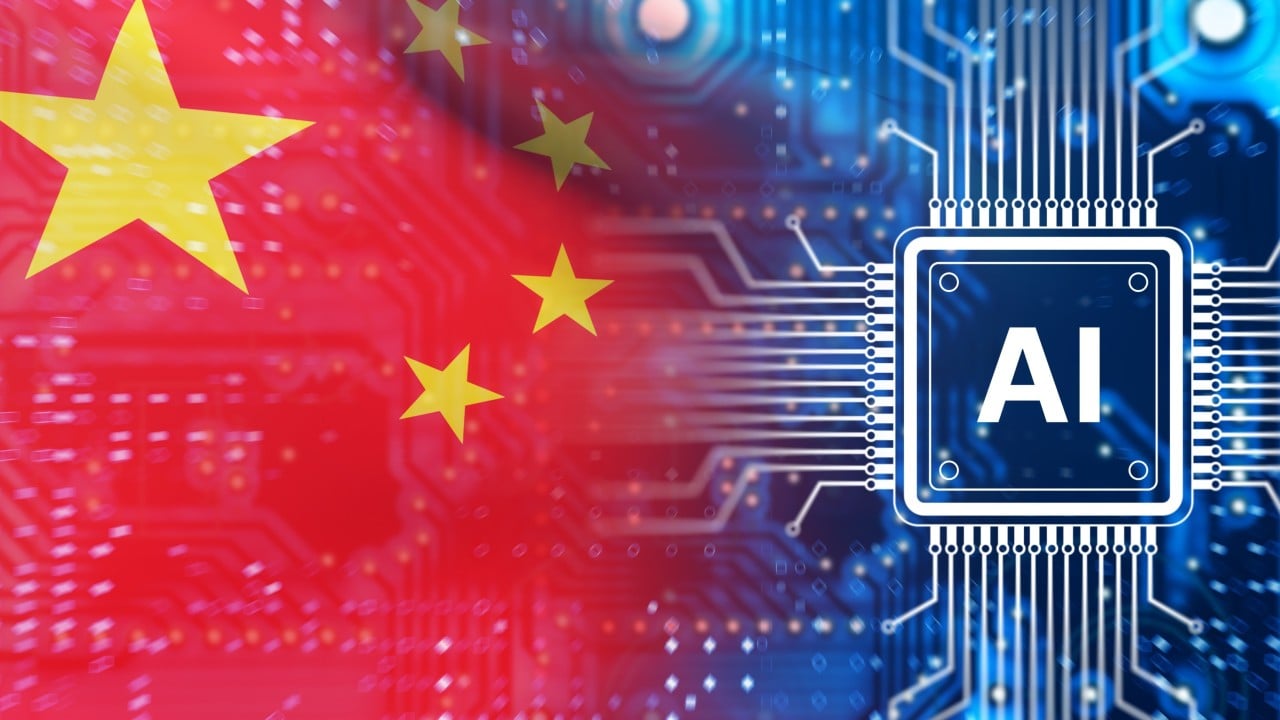
A new Chinese artificial intelligence chip start-up, led by industry veteran Wei Shaojun, has officially emerged from stealth mode. This company is joining major players like Huawei Technologies in adopting 3D stacking technology for its chip designs. The strategic move to utilize 3D stacking is a direct response to ongoing US technology export controls, aiming to circumvent these restrictions and ensure continued innovation in China’s AI sector. This development highlights China’s persistent efforts to achieve self-sufficiency in advanced semiconductor technology amidst a challenging geopolitical landscape.
The emergence of a new Chinese AI chip start-up, particularly one leveraging 3D stacking technology to bypass US export controls, signifies a critical inflection point for Asia’s tech ecosystem. This move underscores China's determined push for technological autonomy, especially in the high-stakes AI and semiconductor sectors. By investing in advanced manufacturing techniques like 3D stacking, Chinese firms are not only seeking to mitigate the impact of external restrictions but also to foster indigenous innovation and reduce reliance on foreign supply chains. This strategy could accelerate the development of a robust domestic semiconductor industry, potentially reshaping regional market dynamics and creating new competitive landscapes.
This trend also reflects a broader shift towards diversification and resilience within Asian tech markets. As geopolitical tensions continue to influence global trade and technology flows, countries across Asia are increasingly prioritizing self-reliance and regional collaboration in critical technology areas. The success or challenges faced by this new start-up will offer valuable insights into the efficacy of such strategies and their long-term implications for the global technology order, particularly concerning the future of AI hardware development.