
Armed with funding boost, SpaceSail accelerates China’s push to rival Elon Musk’s Starlink
SpaceSail, a Chinese startup, has secured approximately 7 billion yuan (US$1 billion) in a record funding round for China’s satellite internet sector. This significant investment is earmarked to accelerate the development of a low-Earth-orbit (LEO) network. The ambitious project is explicitly designed to compete with Elon Musk’s Starlink, signaling China’s intensified push into the global satellite internet market. This funding boost positions SpaceSail as a key player in the nation's strategy to establish a robust domestic LEO constellation. The move underscores China’s commitment to achieving self-reliance and global competitiveness in advanced space technologies.
This substantial funding round for SpaceSail highlights China's strategic imperative to establish a formidable presence in the global satellite internet sector. The direct challenge to Starlink underscores a broader geopolitical and technological competition, where access to ubiquitous, high-speed internet via LEO constellations is seen as critical infrastructure. For Asia's tech ecosystem, this development signals a rapid acceleration in space-tech innovation and investment, potentially fostering a new wave of startups and supply chain opportunities across the region, particularly in satellite manufacturing, launch services, and ground infrastructure.
Furthermore, SpaceSail's success could catalyze increased government and private sector investment in similar initiatives across other Asian nations aiming to develop their own space capabilities. This competitive landscape will likely drive down costs and improve service quality, benefiting consumers and enterprises in underserved areas. The policy implications are significant, as governments across Asia will need to formulate regulatory frameworks to manage the proliferation of LEO satellites, spectrum allocation, and international cooperation to prevent space debris and ensure sustainable use of orbital resources. This move by China is not just about one company; it's about shaping the future of connectivity and technological sovereignty in Asia and beyond.
相关文章
6 则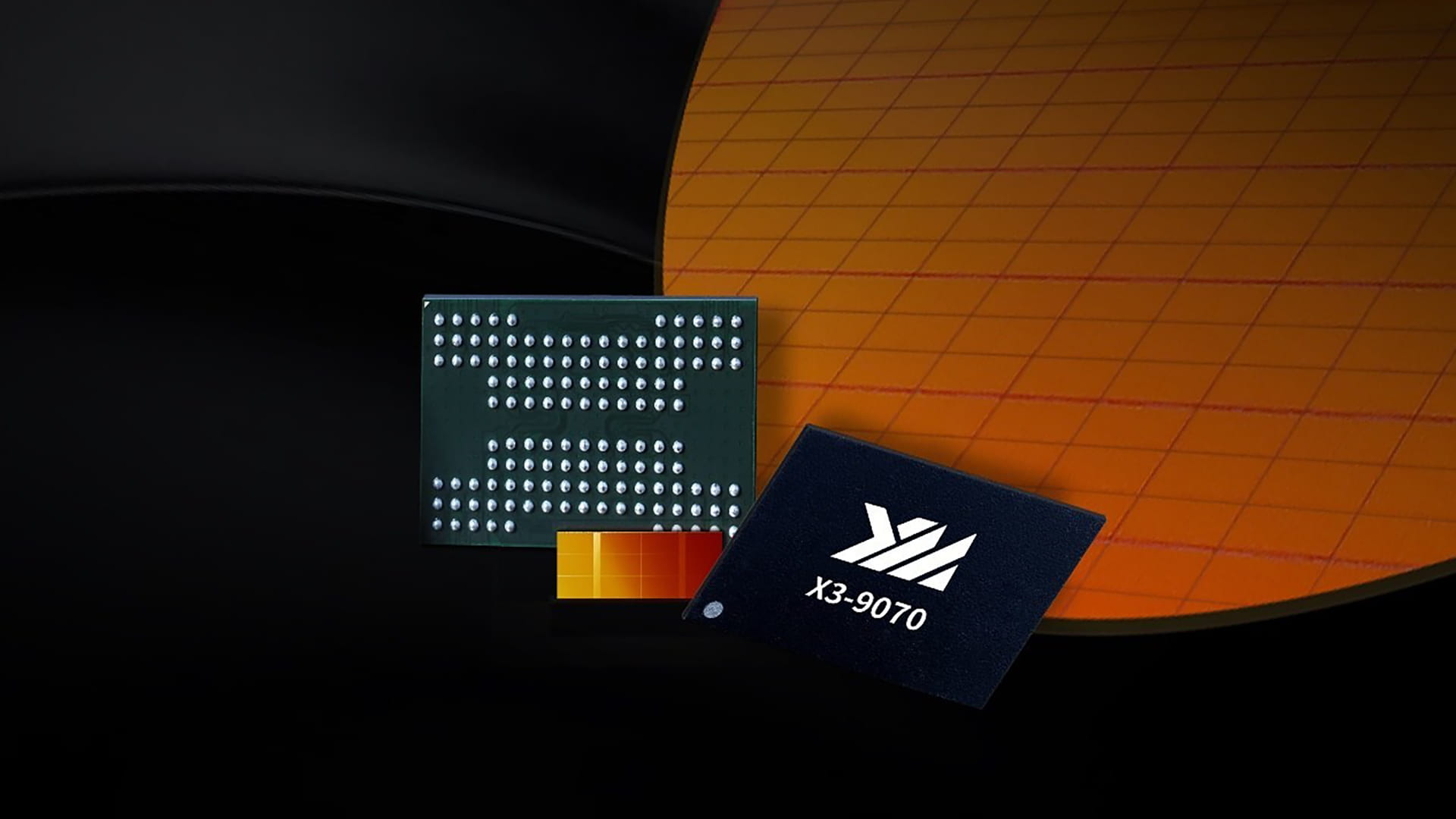
YMTC parent seeks USD 4.9 billion Shanghai IPO on AI memory boom
China's tech ambitions extend beyond space, as seen in this major IPO bid by a leading memory chip maker.
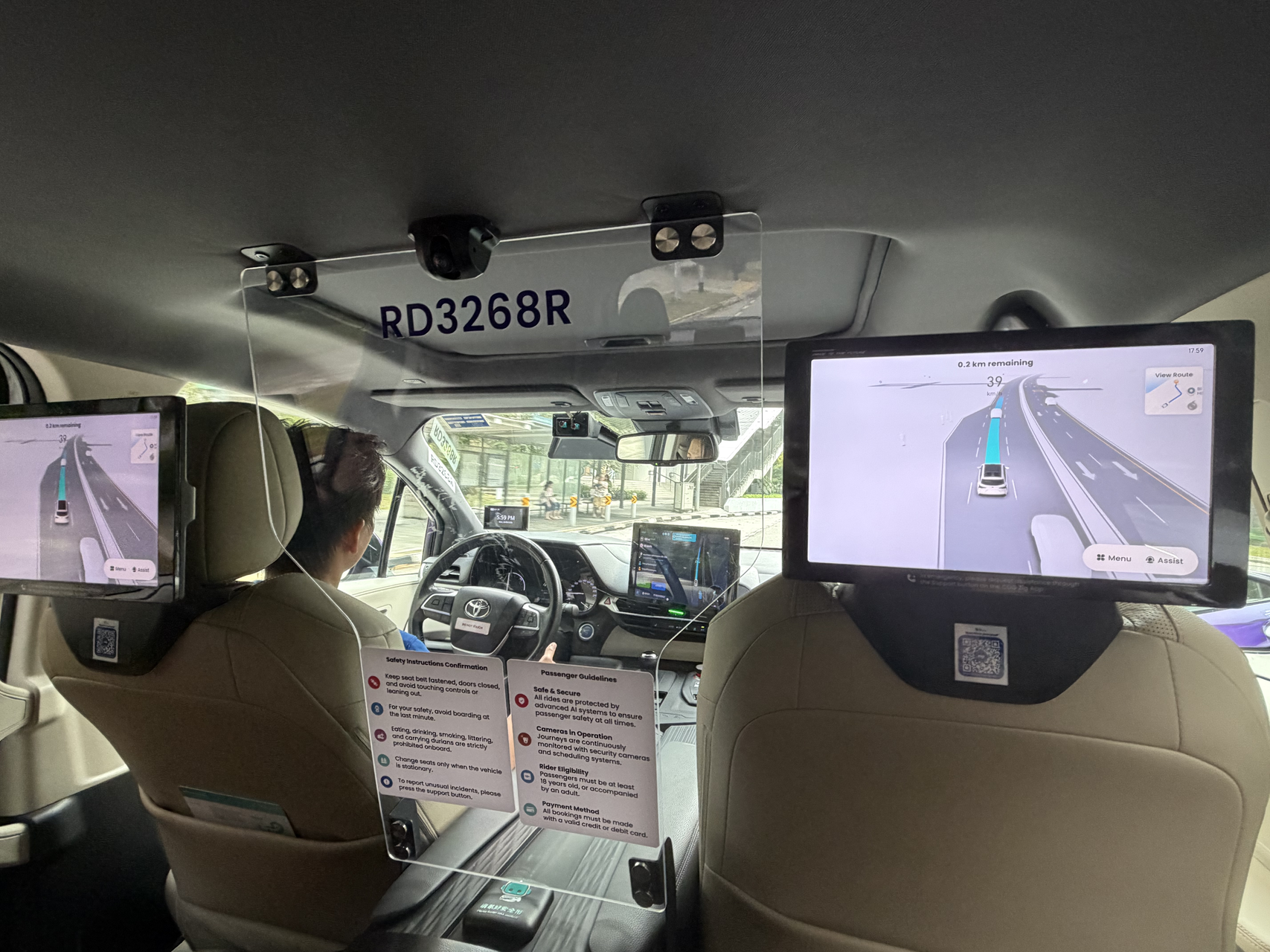
如果无人驾驶汽车已经可行,为何它们尚未普及?
《人民日报》驳斥美国恶意AI蒸馏指控,警告将采取反制措施

随着深度伪造风险增长,Sumsub 推出员工验证方案
字节跳动的AI短剧应用超越中国Netflix竞争对手总和
