
AI memes target lawmaker over 'bus house' idea
South Korean lawmaker Hwang Hee of the Democratic Party of Korea (DPK) is facing a wave of AI-generated satirical memes after proposing to convert retired buses into temporary housing for young adults. The suggestion has sparked significant public backlash, particularly among young Koreans, leading to Hwang deleting his social media post on the matter. Despite the deletion, the satirical content continues to proliferate, highlighting public discontent. One notable example is an AI-generated mock apartment tour video that sarcastically depicts the impractical living conditions within these 'bus houses,' emphasizing extreme temperatures and unpleasant odors. Another viral image shows a 'Bus House 01' parked in a high-profile district, further mocking the proposal's feasibility and appropriateness.
This incident in South Korea underscores the growing role of AI-generated content in shaping public discourse and political accountability across Asia. The rapid creation and dissemination of satirical memes demonstrate the power of generative AI tools to amplify public sentiment and mobilize collective expression against perceived policy missteps. For tech ecosystems in the region, this highlights a dual-edged sword: while AI offers immense potential for creativity and communication, it also presents new challenges for managing online narratives and combating misinformation or targeted satire, especially in politically charged contexts. The ease with which complex, realistic parodies can be produced suggests a future where AI-driven content will increasingly influence public opinion and potentially impact policy debates.
Furthermore, the speed and scale of this backlash, fueled by AI, indicate a shift in how citizens engage with political proposals. Traditional forms of protest are now augmented by digital, AI-enhanced satire, making it harder for public figures to control or dismiss criticism. This trend has implications for governments and public institutions across Asia, necessitating a deeper understanding of AI’s capacity to shape public perception and the need for more robust strategies to engage with digitally-native, AI-literate populations. The incident serves as a real-world case study for how AI tools are moving beyond niche applications to become integral to broader societal and political dynamics.
相关文章
6 则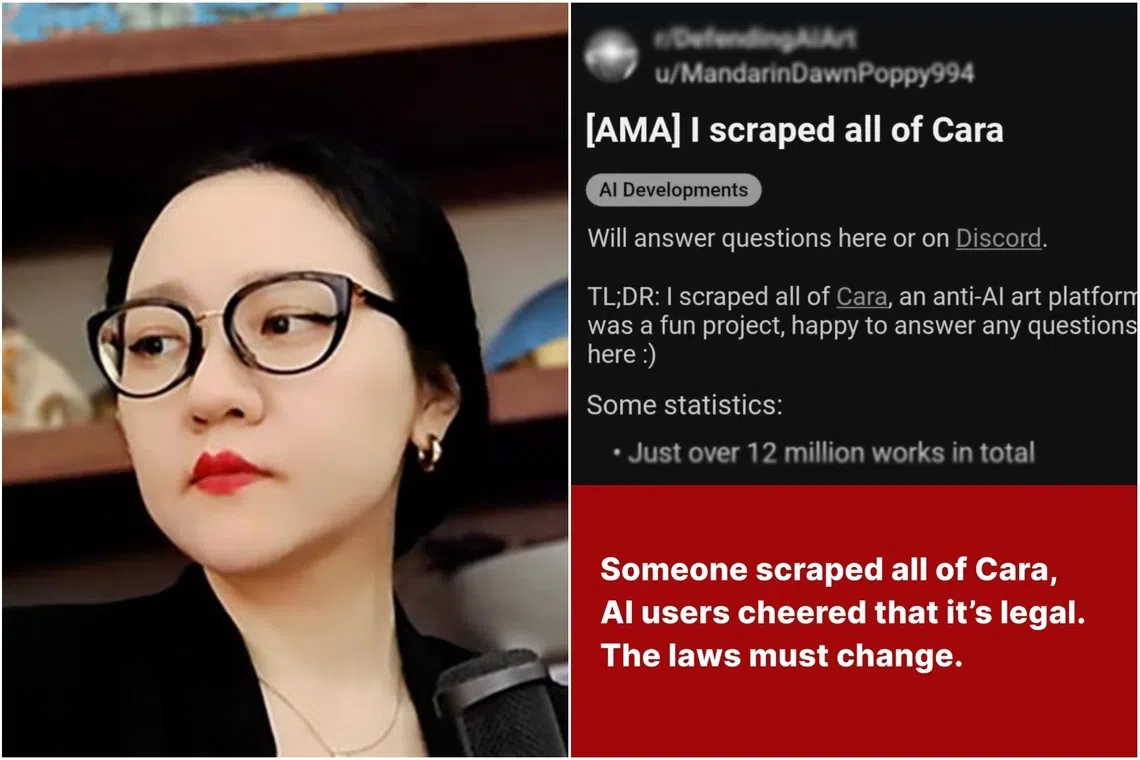
Singaporean photographer Zhang Jingna fights to keep art safe from AI scrapers
The debate over AI's role in creative works, from satire to art, is a growing concern across Asia.

中国火箭热潮将海南变成太空枢纽。发射能否推动更广泛的增长?

Anthropic 将 Claude 聊天和 Cowork 合并到单一界面

Threads 新功能让播客推广节目并触达听众

中国 Z.ai 获注资 50 亿美元后,收入目标上调 25%
